
Travel Perfusionist vs Staff Role: What CCPs Should Weigh First
Book a confidential career call
Tell me what you want the next role to feel like on a Tuesday. The conversation stays with us, and your current employer is not contacted unless you ask.
I have been recruiting clinicians since 2009, and certified clinical perfusionists tend to learn the same lesson. Two programs can use the same job title and give you completely different weeks. Travel and staff work can both be a good move. The posting will not tell you which one you are looking at until you ask about call, ECMO, and the cases.
CCP is the credential of the American Board of Cardiovascular Perfusion (opens in a new tab). The questions below are for perfusionists who already hold it and are deciding what the next program should feel like.
What is different about travel work and a staff role?
A staff role is one cardiac surgery program. You learn the surgeons, the circuit preferences, the call wheel, and the people who answer when a case goes long. A travel assignment is a defined stay at a program that needs another CCP for that period. You bring your practice into a department that already has a way of doing things, and then you leave.
Travel fits perfusionists who want a change of program, a look at a different case mix, or a stretch of work with a clear end. Staff fits perfusionists who want a team, a call rotation they can live with, and a path that still exists next year. A travel contract can also be how you test a city before you take a staff seat there. Treat that as a trial you agreed to, not as a surprise.
Our perfusionist recruiting page is written for programs and for CCPs comparing them. The useful part for you is the same list: call, ECMO, case mix, and the team you would actually join.
What should you ask about call and ECMO?
Ask how many perfusionists share call, and ask how often you are the person who comes in. "We have a team" is not an answer. A rotation you can describe to your household is an answer.
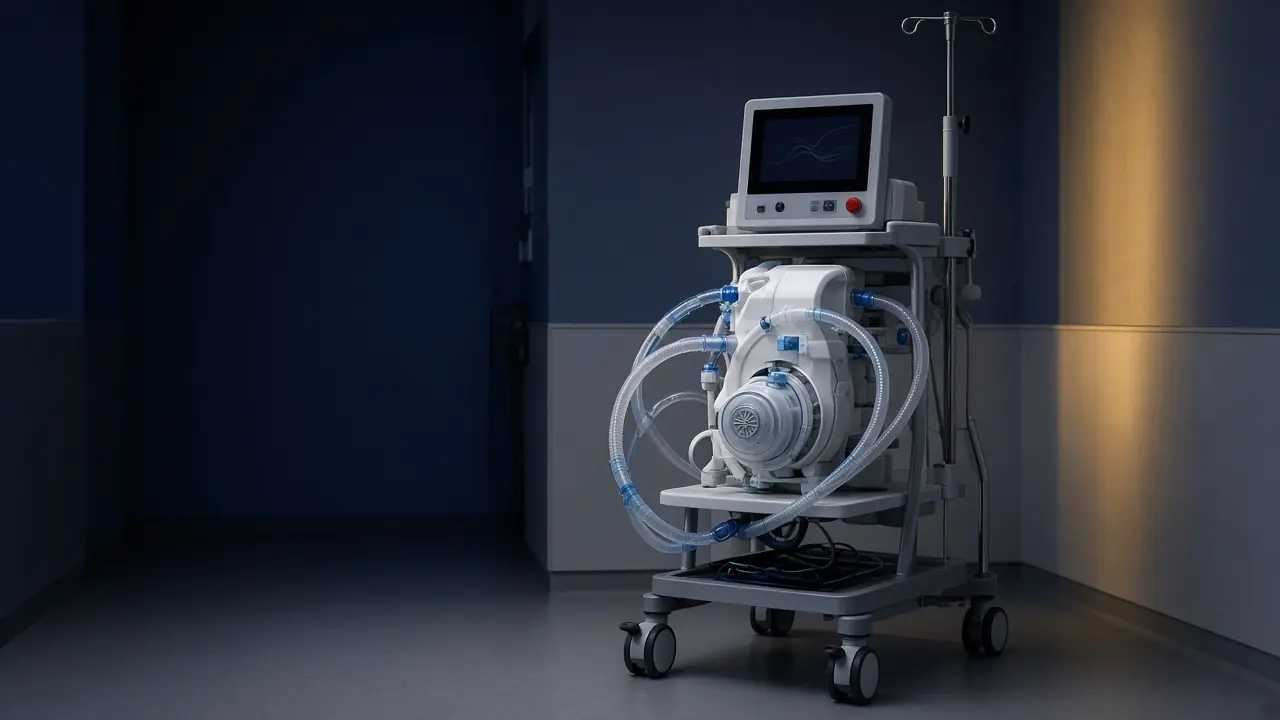
Then ask who runs ECMO. Some programs keep perfusion on ECMO around the clock. Some keep a separate model and call perfusion for initiations, emergencies, or transports. Those are different jobs wearing the same badge. Ask what a hard night looks like, and ask what the next day looks like after it.
How do you judge case mix and the team?
Ask what the room actually does: adult cardiac surgery, transplant, ventricular assist devices, pediatrics, or a mix. Ask whether that mix is steady or whether it depends on one surgeon's schedule. A program that sounds broad and then runs a narrow list will not keep the skills you wanted to protect.
Ask who else is there. How the team is built. Whether travelers are a bridge or the way the program stays open. How a new CCP is oriented, including whose circuit preferences you are expected to follow. A staff seat with no orientation and a travel seat with no orientation fail the same way. You should know whose room you are walking into.
If you can, talk to a perfusionist who already takes that call. A chief who describes the program and a CCP who works it should sound like the same place.

What should a travel assignment spell out?
A travel assignment should say how long you are there, who you report to, and how housing and travel are handled. It should say what "orientation" means in days you can see on a calendar, and which cases you are expected to do alone after that.
Ask what happens if the program's need changes while you are there. A defined assignment has an end. You should know whether that end is a date you can plan around. Ask who employs you for the assignment, the program or another party, so you know who answers when something in the agreement needs a decision.
Housing and travel are part of the assignment. Ask how they work before you agree, and hear that answer next to call and case mix, so you are comparing the whole stay, city included.
What does a staff role need if you plan to stay?
A staff role you can stay in has a call rotation that is survivable, ECMO expectations you accept, and a team large enough that one resignation does not become your personality. It also has a believable path if you want one: lead, chief, or a senior seat with a scope you respect. Ask who holds that role today and how they got there.
Ask what the program does when volume dips or surges. A calm description of both is a program that has been through a year. A program that only describes the good week is hoping you will not ask about the other one.
The clinical page and the specialist clinician page sit beside this one if you want the wider operating-room picture, including CRNAs who share those rooms. The wage survey does not publish a perfusionist figure of its own. What it does publish is on the perfusionist salary page. Careers is the front door if you would rather start from the work you do than from a single posting. If you want to move without your current employer hearing about it, our confidential search explains how that works.
How do you look without your program finding out?
You start with a confidential conversation and you decide what, if anything, gets shared. I do not contact your current program unless you ask. You can talk through call, ECMO, and case mix before your name is attached to any introduction.
Bring the parts that are not negotiable for you. Nights you can live with. Cases you want to keep. Whether you are open to travel, to staff, or to a travel assignment that might become staff. The posting can wait until those are clear.
Related career guides: pelvic floor PT jobs, locum or permanent CRNA roles, remote dosimetrist jobs.
Where do these facts come from?
- American Board of Cardiovascular Perfusion, the board that credentials CCPs: abcp.org (opens in a new tab)
Frequently Asked Questions
How do I choose between travel perfusion and a staff CCP role?
Choose travel when you want a defined assignment and a change of program. Choose staff when you want one team, a known call rotation, and a path to stay. Compare call, ECMO coverage, and case mix before you compare cities.
What should I ask about ECMO?
Ask who runs ECMO day to day, when perfusion is called, and whether that responsibility continues after the operating room schedule is finished. Ask what the next day looks like after a hard night.
What belongs in a travel perfusion assignment?
The length of the stay, who you report to, how housing and travel are handled, what orientation includes, and which cases you cover on your own. Ask who employs you for the assignment.
Should I talk to a perfusionist who already works there?
Yes. A description from someone on the call wheel is the check on the description you heard from leadership. If that introduction is refused, treat the refusal as part of the answer.
Can I explore a move without my current program knowing?
Yes. The conversation is confidential. Your program is not contacted unless you ask.
Book a confidential career call
Tell me what you want the next role to feel like on a Tuesday. The conversation stays with us, and your current employer is not contacted unless you ask.
Related Executive Playbooks
Locum CRNA or Permanent Staff? How to Choose Your Next Anesthesia Role
Locum CRNA or permanent staff: compare practice model, call, and malpractice coverage before the rate. A practical way to choose your next anesthesia role.
Pelvic Floor PT Jobs: How to Find a Role Built for Pelvic Health
Pelvic floor PT jobs last when the room is private, the visit is long enough, and referrals are real pelvic health patients. Questions to ask before you accept.
Remote Dosimetrist Jobs: What the Good Ones Have in Common
Good remote dosimetrist jobs put the remote policy, plan mix, planning system, and physics backup in writing. What to confirm before you accept a CMD role.