Home Health Recruiting
Reduce Staffing Costs. Place Caregivers That Stay.
Definition
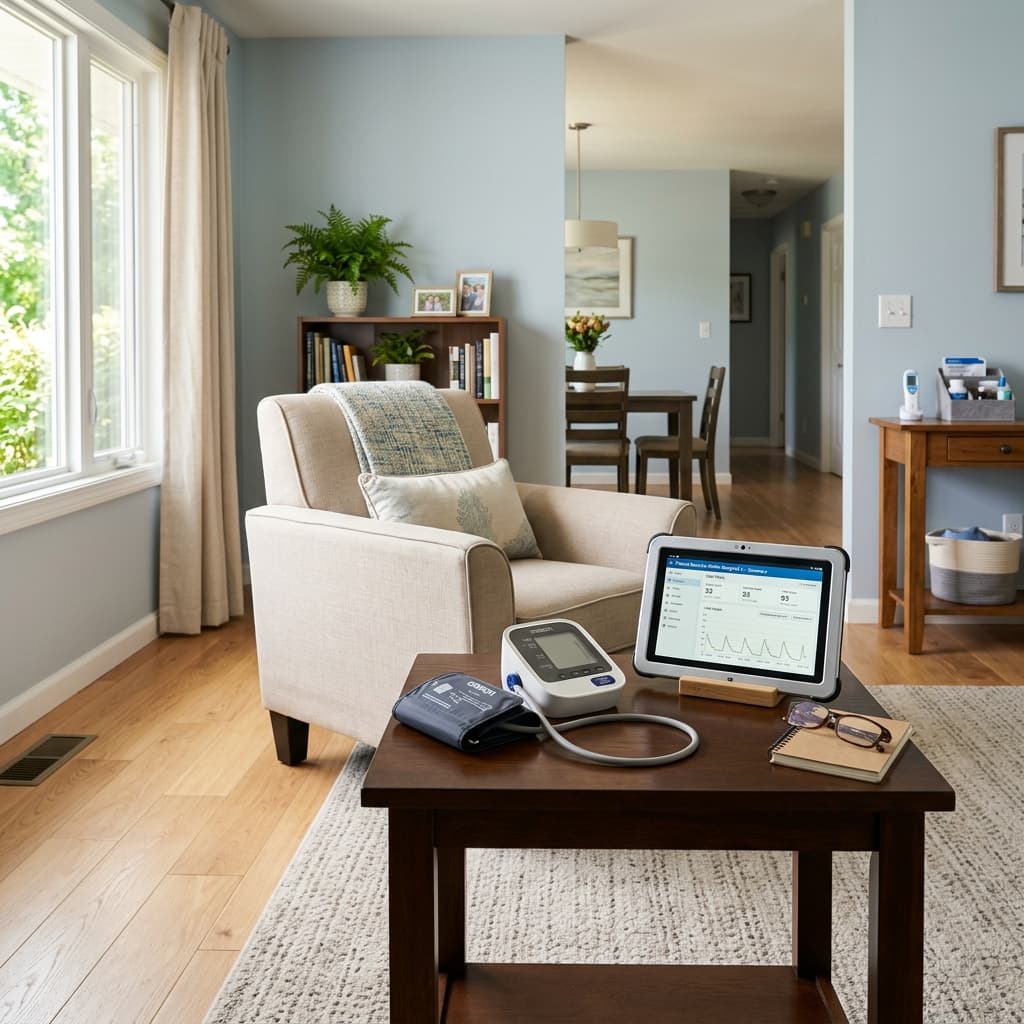
What is home health recruiting? Home health recruiting is the targeted process of identifying and placing caregivers, nurses, and allied health professionals into in-home care roles. It is distinct from general healthcare recruiting in its emphasis on independent work ethic, patient trust, and clinical competency in unstructured environments where there is no facility team to provide real-time support.
Home health agencies routinely overpay staffing intermediaries, absorbing markup rates of 40-60% on temporary placements that could have been sourced directly. Engaged Headhunters helps agencies build direct-hire capability that eliminates chronic agency dependency and reduces per-hire cost over time.
Why Staffing Agency Costs Are Breaking Home Health Margins
Home health agencies operate on thin margins. Medicare and Medicaid reimbursement rates have not kept pace with caregiver wage inflation, and agencies caught in permanent agency dependency absorb markup rates that make profitable operations structurally difficult.
The math is straightforward. An agency paying a staffing firm $28 per hour for a home health aide who earns $16 is absorbing a 75% markup. Scale that across 50 agency workers, and the cost differential exceeds $1.2 million annually compared to direct employment. That gap represents the financial argument for building internal recruiting infrastructure.
The Direct Hire Math
40-75%
Average Agency Markup
on temporary placements
60-80%
Per-Hire Cost Reduction
with direct sourcing
2-3x
Retention Improvement
direct vs agency placements
Direct-hire capability does not materialize overnight. It requires sourcing infrastructure, screening processes, and onboarding workflows that most agencies have not built because they defaulted to staffing firms during growth phases. Our recruiting model accelerates that transition by building direct candidate pipelines on your behalf.
Strategies to Reduce Staffing Agency Costs

Agencies successfully reducing staffing dependency share common characteristics: they have built proactive sourcing habits rather than reactive hiring, they maintain warm candidate relationships between active searches, and they have invested in onboarding infrastructure that converts new hires into retained employees faster.
Employee Referral Programs
The highest-quality home care referrals come from existing caregivers who understand the work and the organization's culture. Structured referral programs with financial incentives, often $200 to $500 per successful hire retained past 90 days, generate candidates with significantly higher retention rates than job board applicants.
Community Sourcing Partnerships
CNA training programs, community colleges with allied health curricula, and workforce development organizations represent underutilized sourcing channels. Agencies that establish consistent employer-of-choice positioning at these institutions build pipeline before candidates enter an active job search.
Compensation Transparency
Candidates self-select out of processes that obscure pay rates. Agencies that publish clear pay ranges, mileage reimbursement policies, and scheduling flexibility parameters early in the application process reduce drop-off and attract candidates who are genuinely aligned with the offer.
Onboarding Speed
Every day between offer acceptance and first shift is a retention risk. Candidates who accept an offer and wait three weeks for onboarding completion are actively interviewing elsewhere during that window. Streamlining credentialing, background screening, and orientation processes protects offers that have already been extended.
The Role of Technology in Home Health Recruiting
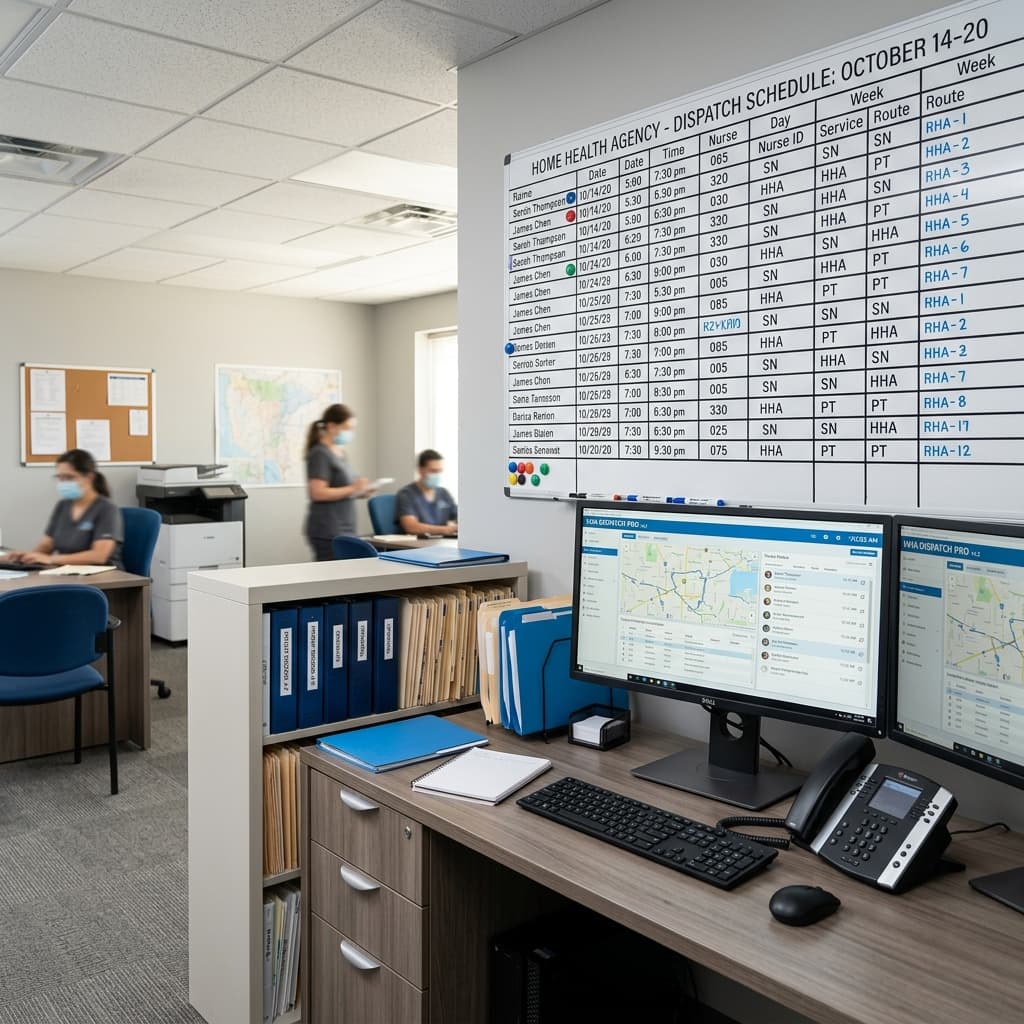
Recruiting technology has advanced significantly in the home health sector. Applicant tracking systems purpose-built for home care, automated text engagement platforms, and AI-powered candidate screening tools now handle volume that previously required large administrative teams.
The right technology stack reduces manual administrative burden, accelerates candidate engagement timelines, and provides data visibility into source-of-hire analytics that guide sourcing investment decisions. Agencies that combine technology infrastructure with relationship-based sourcing consistently outperform those relying on either approach alone.
However, technology does not replace judgment. Home health caregiver placement requires assessing qualities that screening algorithms miss: reliability in unsupervised settings, patient communication skills, and the kind of genuine care orientation that patients and families recognize immediately. That assessment requires human judgment, not just data matching.
Roles We Place in Home Health
Why Home Health Agencies Choose Engaged Headhunters
Most agencies default to staffing firms because building an internal recruiting capability feels overwhelming when the immediate need is acute. We bridge that gap by sourcing direct-hire candidates while simultaneously helping agencies build the infrastructure to sustain that capability beyond a single search.
Our track record in healthcare recruiting spans clinical, operational, and executive placements across home-based care, behavioral health, and integrated care organizations. We understand payor dynamics, state regulatory environments, and the compensation pressures that define recruiting strategy in this sector.
Every search comes with our Signature Guarantee. If a placed professional does not remain in role during the guarantee window, we conduct a replacement search at no additional retainer cost. Schedule a call to discuss your agency's specific recruiting challenge.
Frequently Asked Questions
How do I reduce staffing agency costs for my home health company?
Build an internal talent pipeline through employee referral programs, local community outreach, and digital job postings. Pair direct recruiting with applicant tracking software to screen and onboard candidates faster, lowering per-hire cost over time.
What is home health recruiting?
Home health recruiting is the targeted process of identifying and placing caregivers, nurses, and allied health professionals into in-home care roles. It is distinct from general healthcare hiring in its emphasis on independent work ethic, patient trust, and clinical competency in unstructured environments.
How do you recruit home care workers effectively?
Effective home care recruiting requires posting on niche healthcare job boards, partnering with CNA training programs, offering flexible scheduling and competitive pay, and using social media to highlight caregiver testimonials. Consistent communication throughout the hiring process reduces candidate drop-off.
Ready to Reduce Your Staffing Agency Costs?
Talk to James Pemberton about building a direct-hire pipeline that reduces agency dependency and improves caregiver retention.